


 01105
01105 Segovia - Spain – C.XIII
 S: 1/150
 Approx. Nº of pieces: 2.600
 Difficulty degree: 6.5/10
.jpg) Sizes(mm): 250 x 250 x 215 mm
Sizes(mm): 250 x 250 x 215 mm Graphic instructions
The Church of Vera Cruz: History and Architecture of a Unique Monument
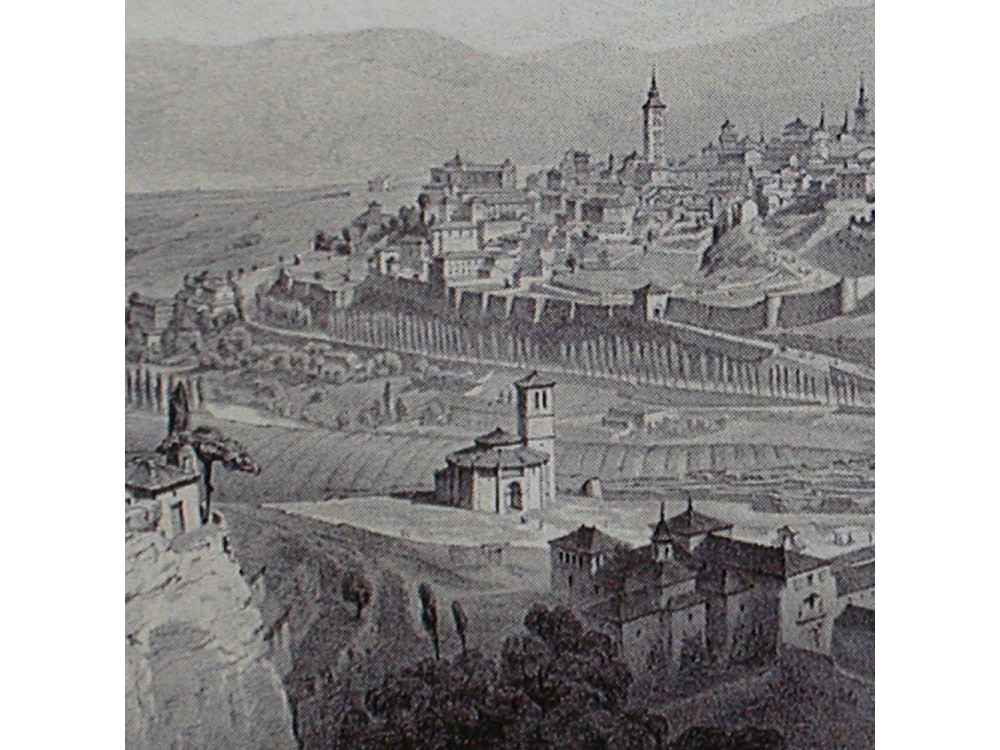
The Church of Vera Cruz is located near the city of Segovia, in the region of Castilla y León, Spain. This remarkable religious building stands as a significant example of Romanesque architecture in the Iberian Peninsula and is closely linked to the military orders that operated both in the Holy Land and Western Europe during the Middle Ages.
Historical tradition and research suggest that the church was built in the early 13th century, likely by the Canons Regular of the Order of the Holy Sepulchre of Jerusalem. It was consecrated on April 13, 1208, as recorded on an inscription carved into a stone tablet embedded in one of its walls. Over time, the church came under the control of the Knights Templar, and after the order was dissolved, it was administered by the Knights Hospitaller of Saint John of Jerusalem, also known as the Knights of St. John. In the year 1224, the church housed a sacred relic of the True Cross, adding to its spiritual and symbolic importance.
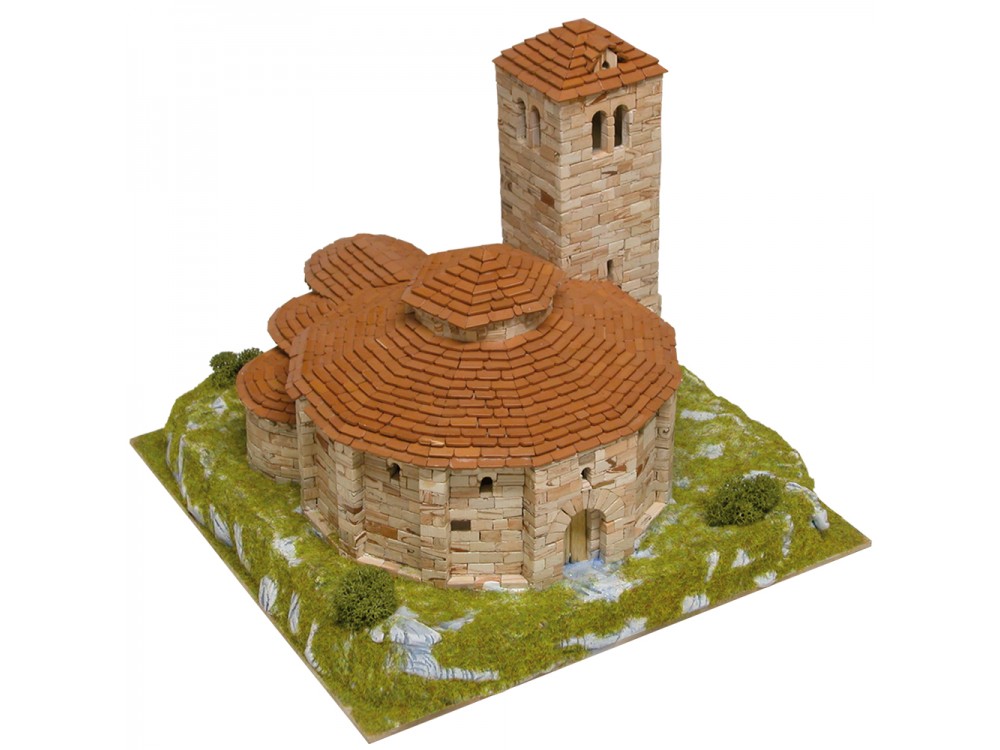
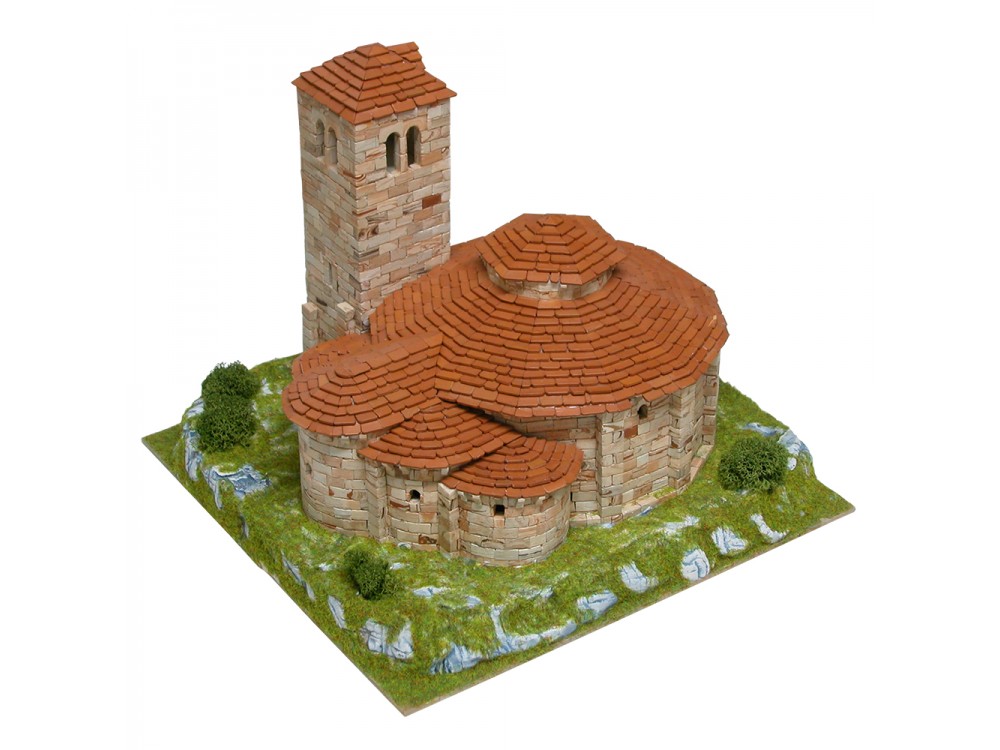
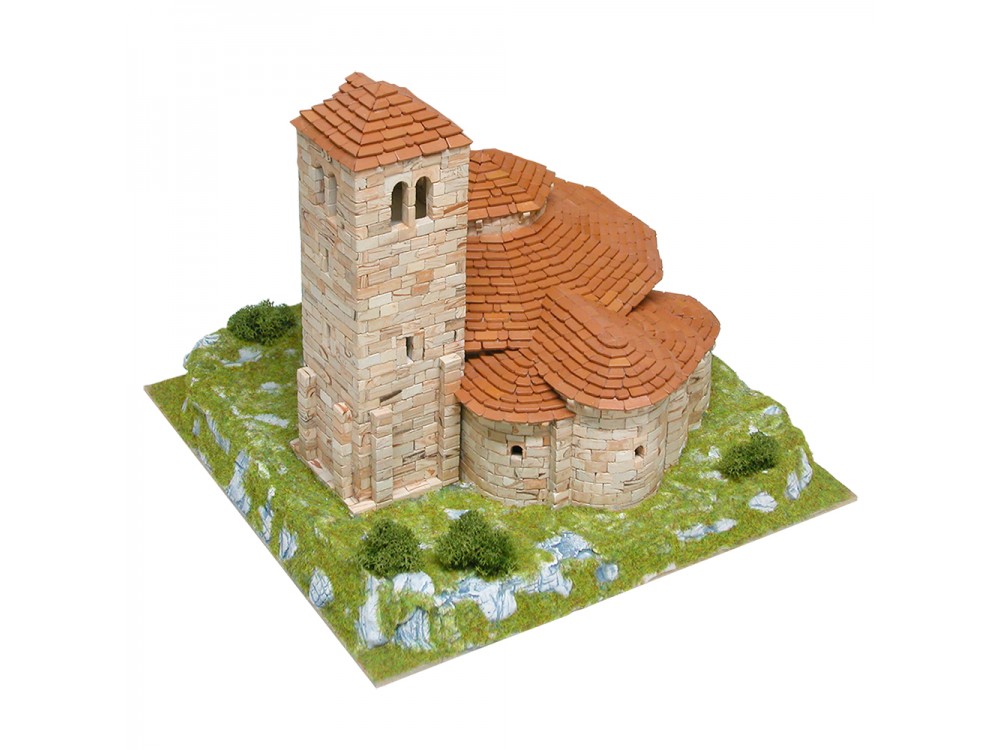
Architecturally, the Church of Vera Cruz is notable for its unusual twelve-sided (dodecagonal) central plan, which encloses a central chapel surrounded by an ambulatory covered with a barrel vault. This centralized layout is rare in Spain and recalls the architectural models of churches in the Holy Land, particularly the Church of the Holy Sepulchre in Jerusalem. The eastern side features a stepped triple apse, while the western side presents a fan-shaped entrance portal. The structure rises above a lower level, similar to a crypt, and is topped by a small dome supported by two pairs of parallel ribs that reinforce the upper walls.
The uniqueness of its design, the quality of its construction, and its association with the medieval military orders make the Church of Vera Cruz an outstanding example of Spanish Romanesque architecture and a place of great historical, artistic, and spiritual interest.