


 01109
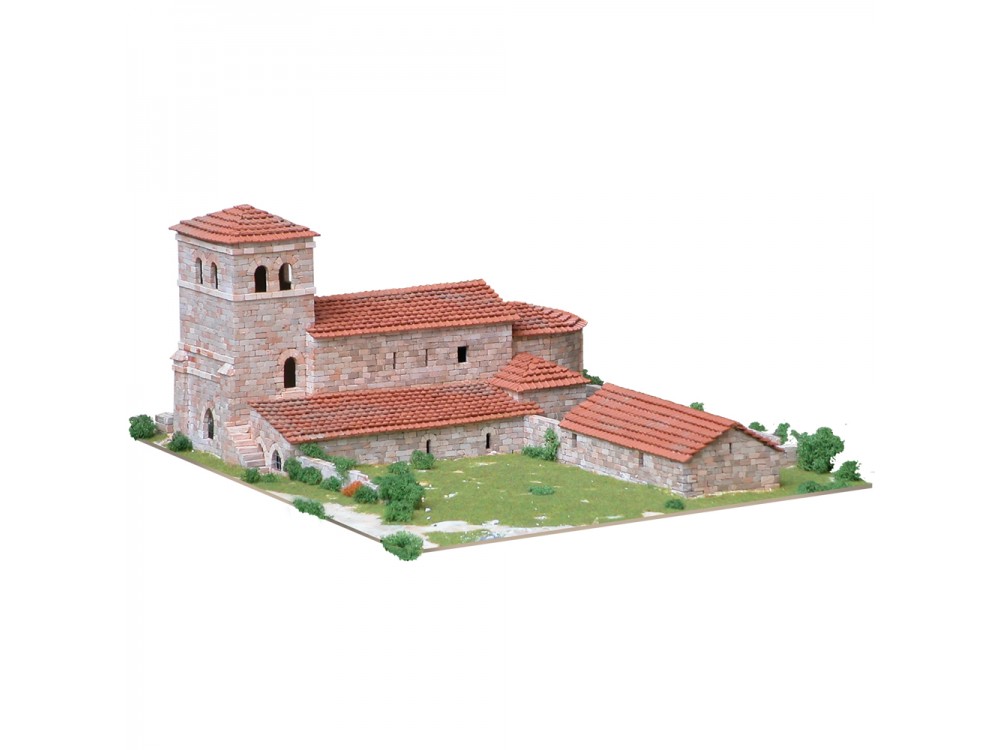
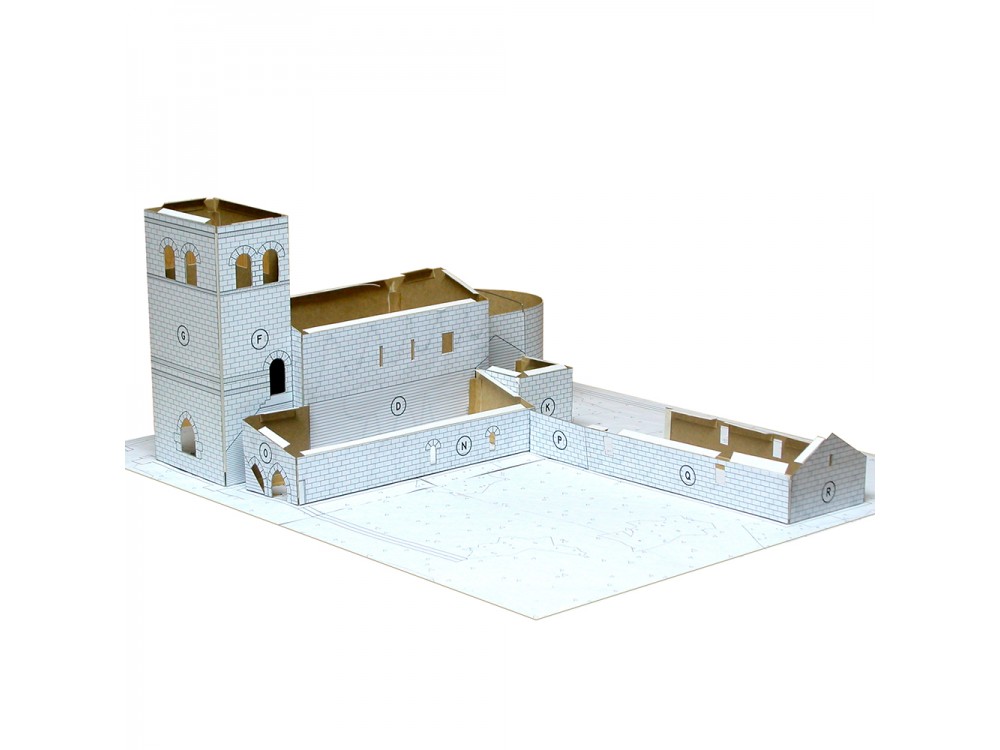
01109 Argomilla - Spain – C.XII
 S: 1/65
 Approx. Nº of pieces: 5.200
 Difficulty degree: 7.5/10
.jpg) Sizes(mm): 580 x 490 x 225 mm
Sizes(mm): 580 x 490 x 225 mm Written instructions
San Andrés de Argomilla: A Romanesque Gem in the Heart of the Pisueña Valley
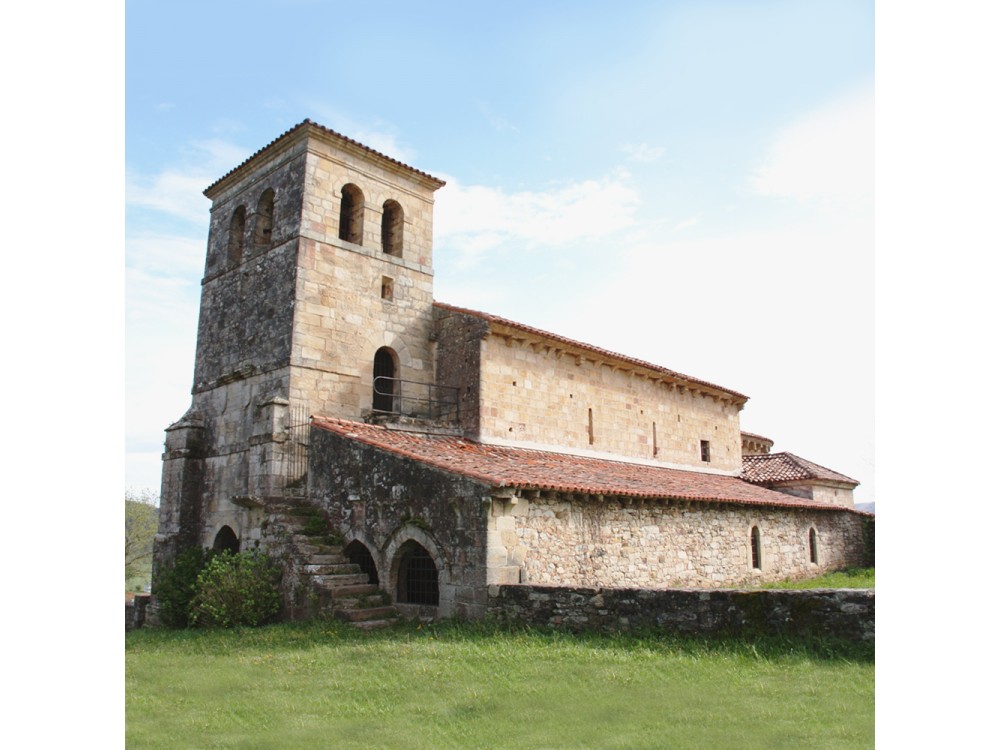
In the region of Cantabria, northern Spain, perched on a gentle rise across from the Ceballos Palace, stands the Romanesque Church of San Andrés. Together, the church and the palace form a striking historical ensemble. It is one of the most notable monuments in the Pisueña Valley, with architectural features reminiscent of the nearby Collegiate Church of Santa Cruz in Castañeda.
Likely built in the first half of the 12th century, the church was originally an abbey that later came under the influence of the powerful Ceballos family. This noble house held the area as a private domain (or coto cerrado), which included five houses, a mill, and the church itself. Interestingly, the local inhabitants were free and exempt from paying taxes.
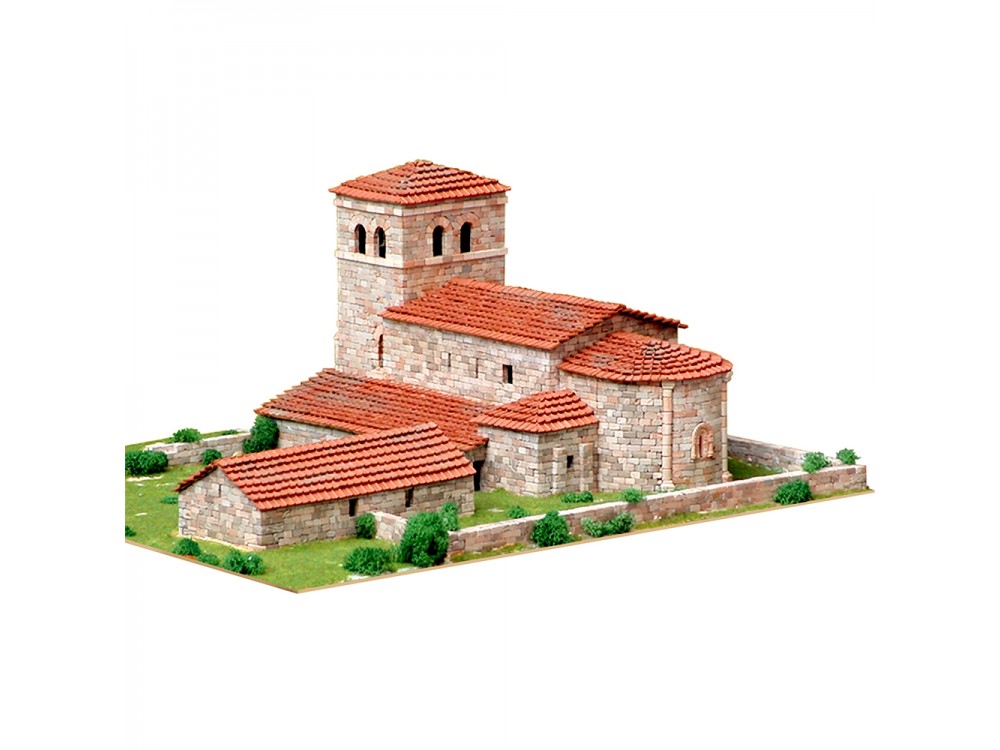
The church as it stands today has a single nave and a semicircular apse, to which a tower, a sacristy, and a southern gallery were added over the centuries. The main entrance, facing west, is set beneath a porch topped by the tower. Its doorway is adorned with capitals featuring animal motifs—lions, harpies, birds—as well as human figures.
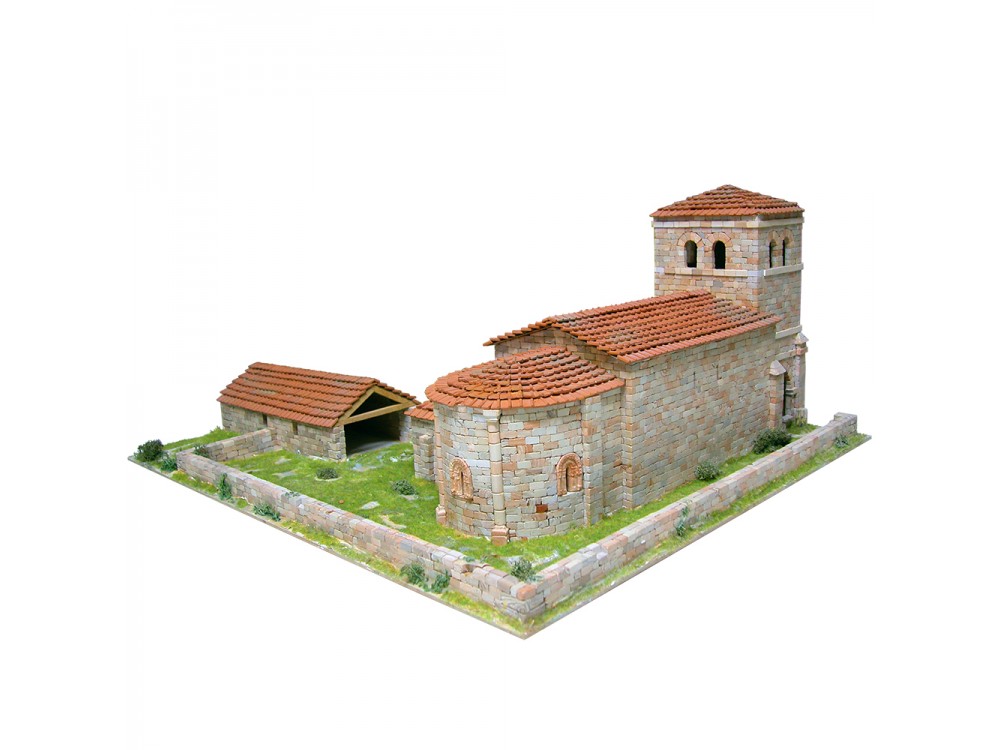
The apse, large and imposing, is divided into three vertical panels by columns topped with carved capitals. An outstanding series of corbels (canecillos) with varied designs lines the cornice, continuing along the presbytery and the north and south walls. The rectangular-checkered cornice adds a decorative flourish. Of the two apse windows visible from the outside, one was partially covered when the sacristy was added in the 17th century. On that wall, the Ceballos coat of arms was placed, alongside those of the Santandrés, Escobedo, and Velasco families.
Inside, the most striking feature is the slightly lowered semicircular triumphal arch, supported by finely carved historiated capitals. Also notable is the upper impost of the apse, resting on interior corbels—an uncommon and elegant architectural detail.
In the southern annex, several tombs from the church's ancient necropolis are preserved, dating from the 11th to the 13th centuries.
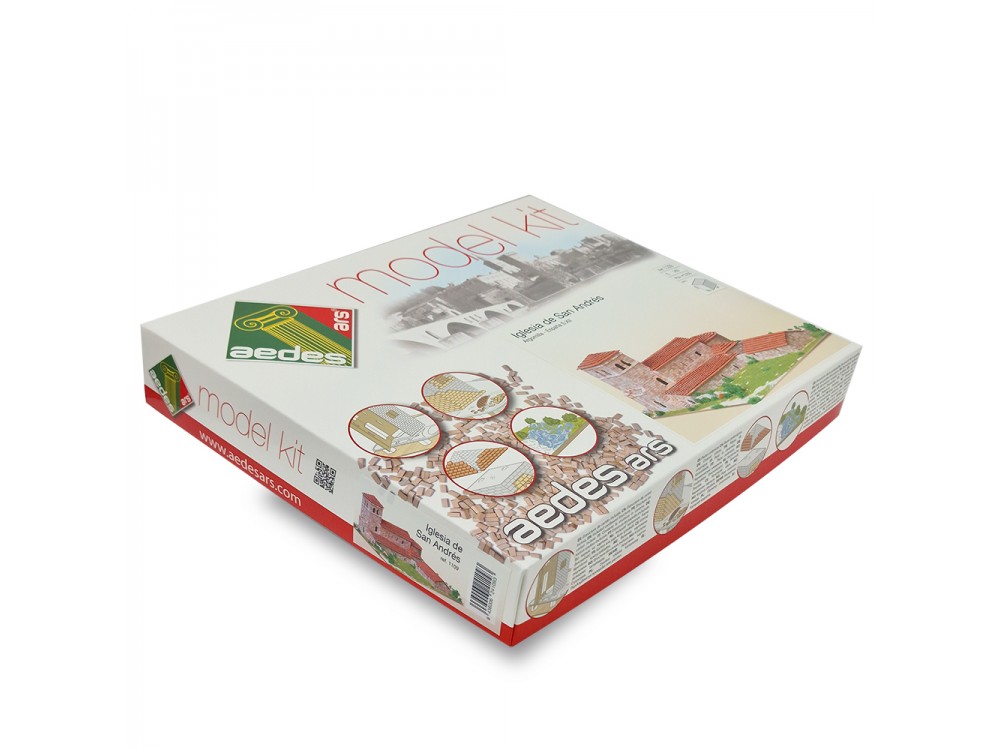
For heritage and Romanesque art enthusiasts, we offer a handcrafted scale model of the Church of San Andrés de Argomilla—an ideal piece for collectors or as a unique decorative item. A beautiful way to bring a piece of Cantabrian history into your home.